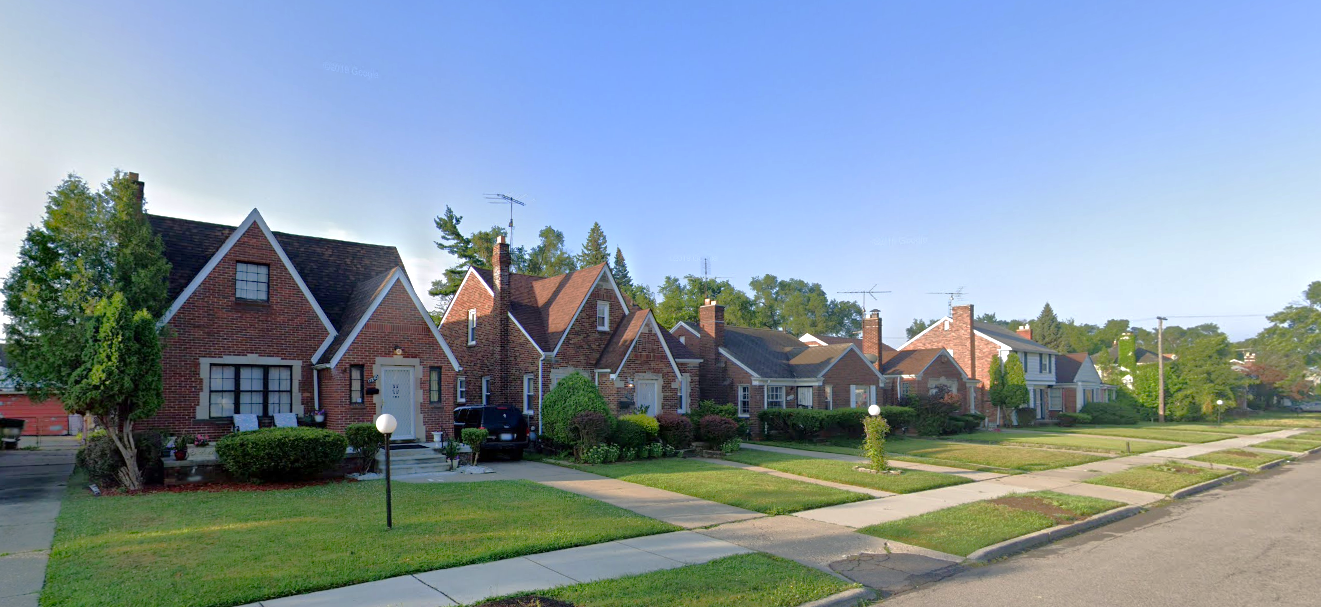
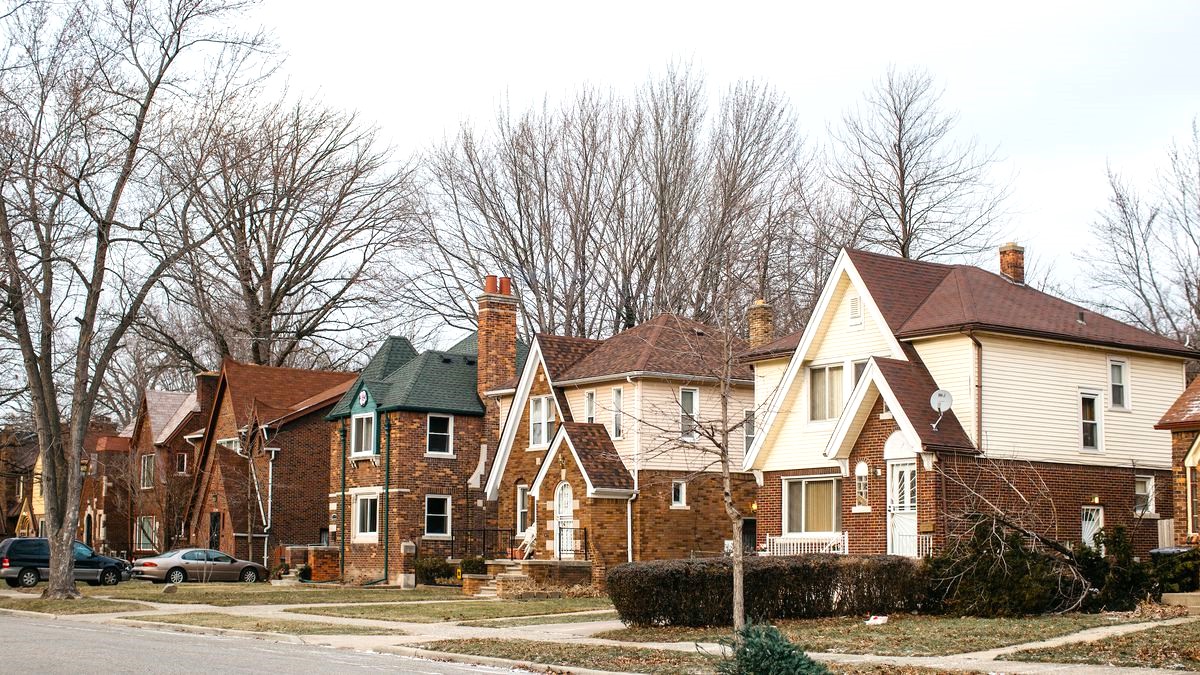
| In June, Detroit Future City (DFC) joined organizations across the country in recognizing National Homeownership Month by leading and supporting a series of events and initiatives designed to promote equitable homeownership and strengthen Detroit’s housing system. These efforts are part of DFC’s long-term commitment to increasing access to quality, affordable housing for all Detroiters.
As part of the month’s activities, DFC convened a meeting of the Detroit Neighborhood Housing Compact, a cross-sector forum that brings together residents, landlords, tenants, lenders, nonprofit leaders, and public officials. This collaborative space serves as a hub for shared learning and coordinated action to improve housing outcomes in Detroit.
Other events included a citywide home buyer fair that connected prospective homeowners with resources and guidance, and support for the 3by30 Black Homeownership Collaborative, which aims to significantly increase Black homeownership in Detroit by 2030. DFC also partnered with the Federal Reserve Bank to advance research and dialogue around inclusive lending and neighborhood investment.
“Creating pathways to homeownership—especially for historically excluded communities—is key to building wealth and long-term neighborhood stability,” said Shari Williams, DFC’s Director of Equitable Neighborhood Planning. “National Homeownership Month is an opportunity to amplify this work and bring more stakeholders to the table.”
To learn more about DFC’s Homeownership Month activities and ongoing housing equity initiatives, click on the link below. |
| Detroit Future City has launched the Thriving Neighborhoods Initiative, a cross-sector collaborative effort focused on ensuring that the redevelopment of I-375 into a grade-level boulevard serves as a catalyst for long-overdue reinvestment in the surrounding neighborhoods of Black Bottom and Paradise Valley.
These historically Black communities were once vibrant centers of culture, business, and community life before being targeted for“slum clearance” and cut off by freeway construction in the 1950s and ’60s.
Through this initiative, DFC is working closely with government agencies, community organizations, schools, and residents to develop a vision for equitable reinvestment that honors the history of these neighborhoods while advancing social, economic, and environmental healing. The goal is to ensure that current and future residents benefit from the transformation of the corridor—not only through physical infrastructure, but through opportunities for generational wealth-building, affordable housing,local business support, and community-driven design.
“The rebuilding of I-375 is a once-in-a-generation opportunity to do right by the communities that were displaced by its original construction,” said Shari Williams, Director of Equitable Neighborhood Planning at Detroit Future City. “This initiative is about making sure the redevelopment leads to tangible improvements in the lives of the people who live here now—and creates a legacy of equity and repair.”
To learn more about the Thriving Neighborhoods Initiative and how to get involved, follow us on the web and social media for updates. |