|
|
|
Detroit Future City Newsletter | July 2026
|
|
|
|
What’s Inside:
- Detroit Issues Guide 2026 Out Now
- New Report Examines Career Connected Learning
- August OSWG to Explore Detroit’s Green Space History
- DFC Celebrated Homeownership Month in June
- Next Future City Forum Moving to Spring 2027
- Graduate Interns Leave Lasting Impact on Detroit
|
|
|
|
|
Nonpartisan Detroit Issues Guide Out Now
|
|
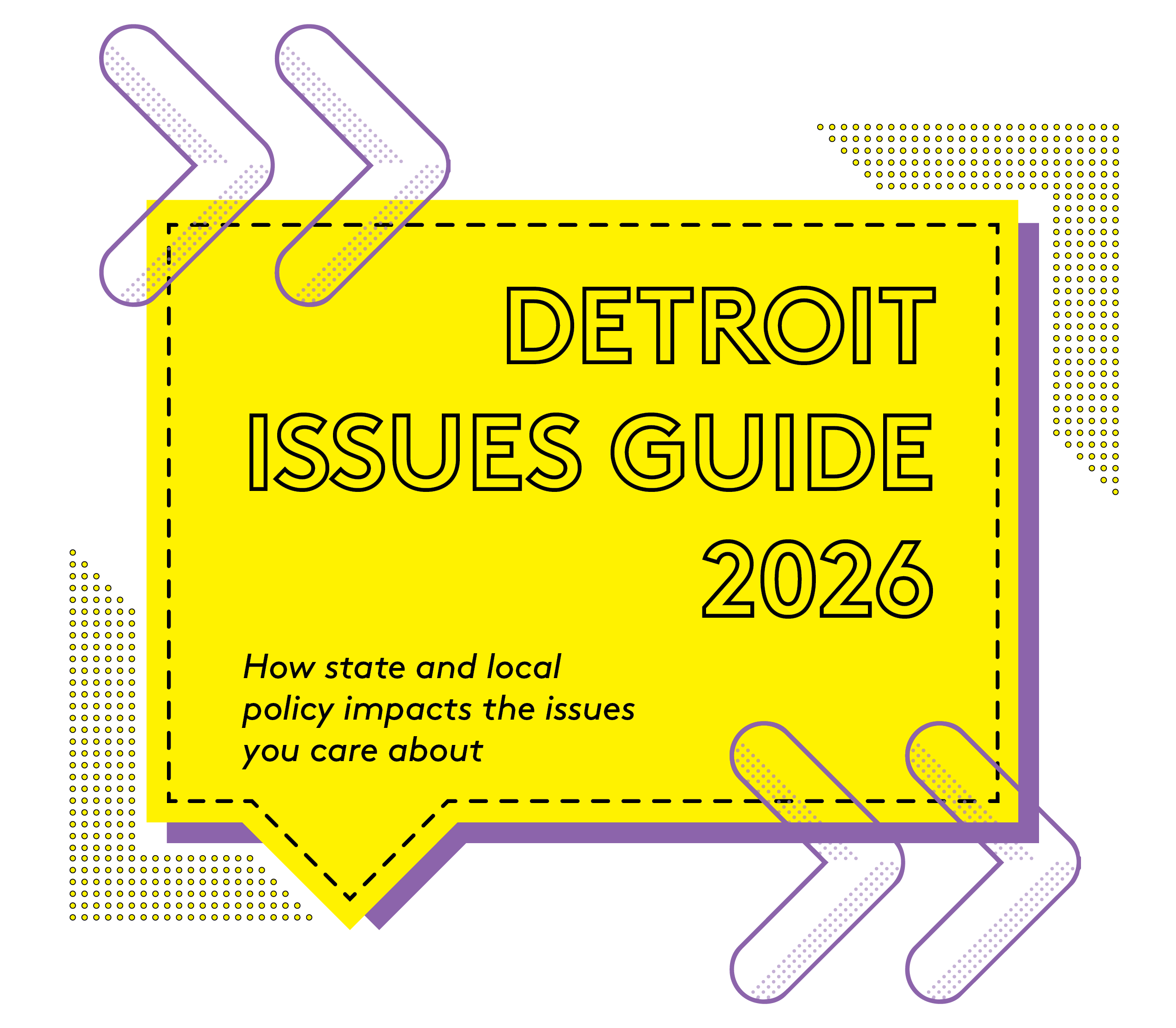 |
| Detroit Future City (DFC) and the Citizens Research Council of Michigan have released the Detroit Issues Guide 2026, a new nonpartisan resource designed to help Detroit residents better understand the public policy issues that shape everyday life ahead of Michigan’s August Primary and November General Election. The guide explains topics such as rental affordability, public transit, public education, tax policy, and crime and public safety, while providing factual, accessible information to support informed civic engagement.
“An informed community is better equipped to shape its future,” said Anika Goss, President and CEO of Detroit Future City. “This guide helps connect the issues residents experience every day with the government decisions that influence them, empowering Detroiters to participate confidently in the democratic process.”
Rather than advocating for candidates, political parties, ballot proposals, or policy positions, the guide explains why each issue matters, how current policies affect outcomes, which levels of government are responsible for key decisions, and questions voters may wish to consider as they evaluate candidates and prepare to cast their ballots. It also includes voter resources, important election dates, absentee and early voting information, and links to official election resources.
“Our goal is to make public policy more understandable and accessible,” Goss said. “When residents have clear, objective information about how government works and how decisions are made, they are better positioned to engage in conversations and make informed choices that strengthen their communities.”
The Detroit Issues Guide 2026 is available now. Learn more and download the guide through the link below. |
|
|
|
|
|
New Report Examines Career Connected Learning
|
|
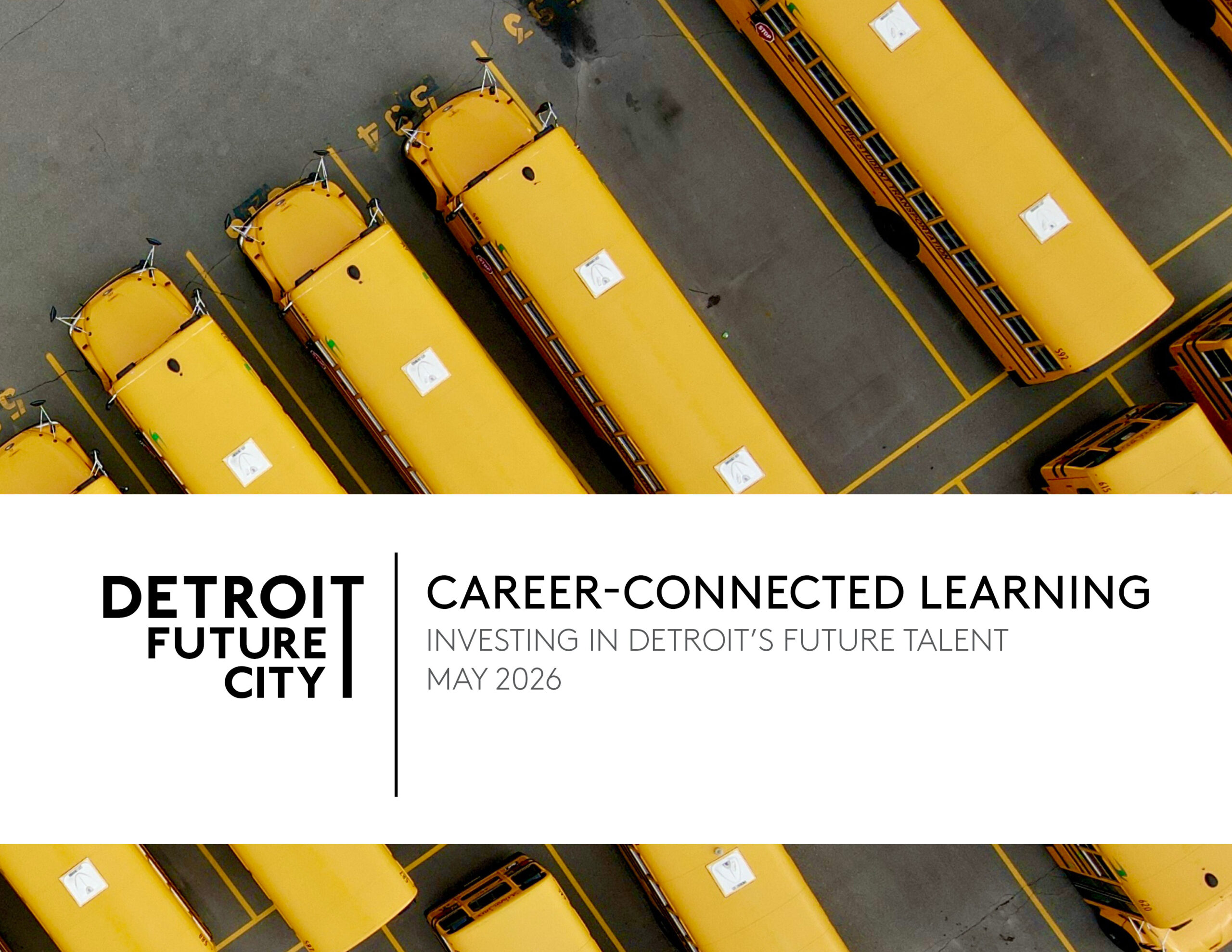 |
| Detroit Future City recently released Career-Connected Learning: Investing in Detroit’s Future Talent. Drawing on feedback from Detroit youth, parents, educators, employers, and workforce professionals, along with an analysis of education and labor market data, this new report examines how well the city’s education, youth development, and workforce systems prepare young people for career success.
“Detroit’s young people have clear ideas about the futures they want to build,” said Detroit Future City President and CEO Anika Goss. “Our job is to make sure the systems around them are working together to help them get there.” Goss added that the report identifies practical opportunities to strengthen career-connected learning and better align the efforts of schools, employers, youth-serving organizations, and other partners.
Career-connected learning plays an important role in helping young people explore career options, build workplace skills, and connect classroom learning to future employment. The report examines the strengths, challenges, and opportunities across three key areas—career awareness and exploration, career guidance, and work-based learning—while highlighting where stronger coordination can help improve outcomes for Detroit’s youth.
“Young people told us they want more opportunities to explore careers, build relationships with trusted adults, and gain real-world experience,” Goss said. “Those are goals we can achieve when schools, employers, and community organizations work together with a shared vision.”
The report was made possible through support from The Skillman Foundation. To read the full report, click on the link below. |
|
|
|
|
|
|